Hydrangeas: The Ultimate Guide To Choosing Caring For And Arranging
Hydrangeas: The Ultimate Guide to Choosing, Caring for, and Arranging
Hydrangeas are some of the most popular flowers in the world, and for good reason. They come in a wide variety of colors, sizes, and shapes, and they can be grown in a variety of climates. Whether you're a beginner gardener or a seasoned pro, hydrangeas are a great addition to any garden.
In this blog post, we'll discuss everything you need to know about hydrangeas, from choosing the right variety to caring for them to arranging them in beautiful bouquets.
Choosing Hydrangeas
There are over 700 different species of hydrangeas, so it can be a bit daunting to choose the right one for your garden. Here are a few things to keep in mind when choosing hydrangeas:
- Size: Hydrangeas come in a wide range of sizes, from small, compact varieties that are perfect for container gardens to large, spreading shrubs that can reach up to 10 feet tall.
- Color: Hydrangeas can be found in a variety of colors, including white, pink, blue, purple, and green. The color of hydrangeas is determined by the acidity of the soil. In alkaline soil, hydrangeas will bloom blue, while in acidic soil, they will bloom pink.
- Hardiness: Hydrangeas are hardy in USDA zones 3-9, so they can be grown in most parts of the country. However, some varieties are more cold-hardy than others, so it's important to choose a variety that is suitable for your climate.
Caring for Hydrangeas
Once you've chosen the right hydrangeas for your garden, it's important to care for them properly. Here are some tips for caring for hydrangeas:
- Water: Hydrangeas need regular watering, especially during the summer months. Water deeply and thoroughly, and water more often if the weather is hot and dry.
- Fertilizer: Hydrangeas benefit from a light application of fertilizer in the spring. A balanced fertilizer, such as 10-10-10, is a good choice.
- Pruning: Hydrangeas can be pruned in the spring or fall. If you're pruning in the spring, prune before the plant blooms. If you're pruning in the fall, prune after the plant blooms.
- Winter protection: In cold climates, hydrangeas may need some winter protection. Mulching around the plants with a layer of organic matter can help to protect them from the cold.
Arranging Hydrangeas
Hydrangeas are beautiful flowers that can be used to create stunning arrangements. Here are a few tips for arranging hydrangeas:
- Choose the right vase: The size and shape of the vase will affect the overall look of the arrangement. Choose a vase that is the right size for the hydrangeas you're using, and choose a vase that complements the colors of the flowers.
- Add other flowers: Hydrangeas can be arranged with other flowers to create a more complex and interesting arrangement. Some good choices for companion flowers include roses, lilies, and tulips.
- Add greenery: Greenery can help to fill out an arrangement and add a touch of natural beauty. Some good choices for greenery include baby's breath, ferns, and ivy.
- Water and care: Once you've arranged your hydrangeas, it's important to water them regularly and keep them in a cool, dark place. With proper care, your hydrangeas will last for several days.
Conclusion
Hydrangeas are beautiful and versatile flowers that can be enjoyed in the garden or in arrangements. With a little care, hydrangeas can thrive for many years.
If you're looking for a hydrangea florist, you've come to the right place. [Website address] is a leading online florist that specializes in hydrangeas. They offer a wide variety of hydrangeas in all colors, sizes, and styles. Whether you're looking for a simple bouquet or a grand centerpiece, can help you find the perfect hydrangeas for your needs.
In addition to their wide selection of hydrangeas, also offers a variety of other services, including:
- Free shipping on orders over $50
- Same-day delivery in select areas
- Custom arrangements
- Gift wrapping
is committed to providing their customers with the best possible experience. They use only the freshest flowers and they offer a satisfaction guarantee. If you're not happy with your hydrangeas, you can return them for a full refund.
So what are you waiting for? Visit today and see for yourself why they're the best hydrangea florist in the business.
FAQ of hydrangea florist
Q: What are the different types of hydrangeas?
A: There are over 70 different species of hydrangeas, but the most common types are:
- Hydrangea macrophylla: These hydrangeas are known for their large, round flower heads that can be blue, pink, or white. They are a popular choice for cut flowers and garden plants.
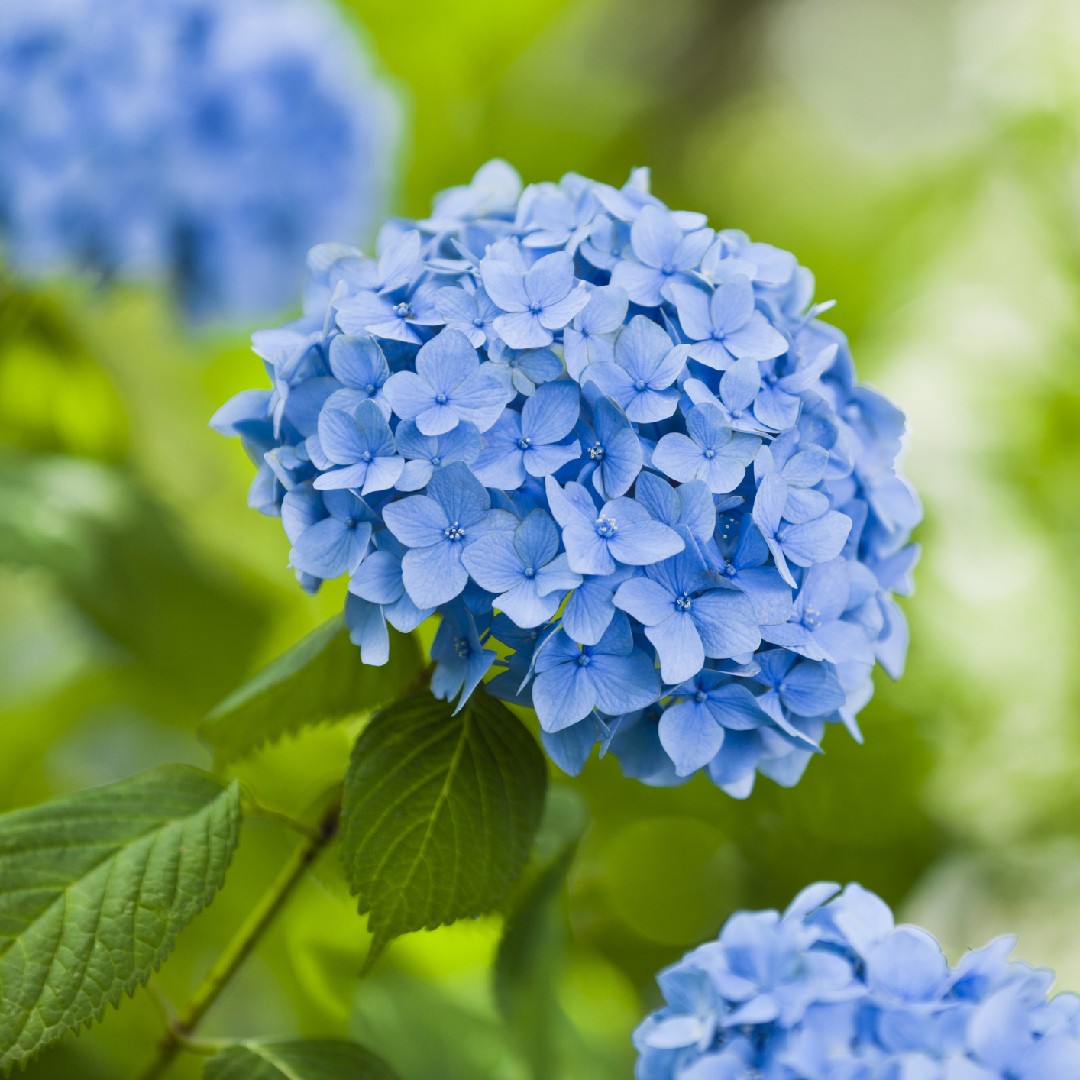
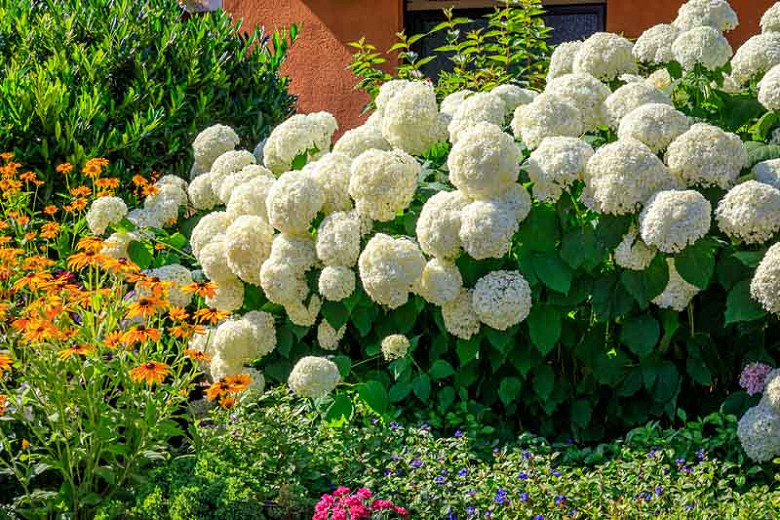
- Hydrangea paniculata: These hydrangeas have tall, cone-shaped flower clusters that can be white, pink, or green. They are a popular choice for cut flowers and garden plants.

- Hydrangea arborescens: These hydrangeas have small, white flower clusters that bloom in the summer. They are a popular choice for garden plants.
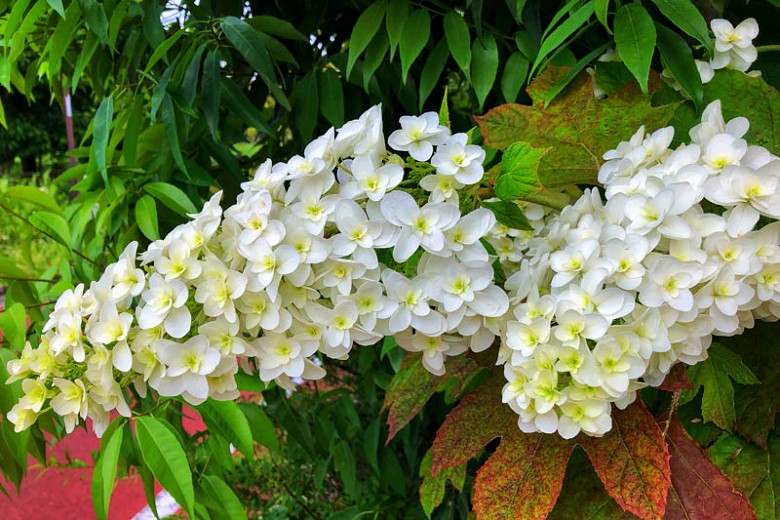
- Hydrangea quercifolia: These hydrangeas have large, oak-shaped leaves and flower clusters that can be blue, pink, or white. They are a popular choice for garden plants.
Q: What is the best way to care for hydrangeas?
A: Hydrangeas are relatively easy to care for, but they do have some specific needs. They prefer moist, well-drained soil and partial shade. They should be watered regularly, especially during the summer months. In the fall, you can add a layer of mulch around the hydrangea to help retain moisture and protect the roots from the cold.
Q: How do I change the color of my hydrangeas?
A: The color of hydrangeas is affected by the pH of the soil. In acidic soil, hydrangeas will bloom blue. In alkaline soil, hydrangeas will bloom pink. You can change the color of your hydrangeas by adjusting the pH of the soil. To make the soil more acidic, you can add peat moss or sulfur. To make the soil more alkaline, you can add lime.
Q: How long do hydrangeas last?
A: The lifespan of a hydrangea depends on the type of hydrangea and how it is cared for. Some hydrangeas can live for many years, while others may only last a few years. Hydrangeas that are grown in containers will typically have a shorter lifespan than hydrangeas that are planted in the ground.
Q: How do I arrange hydrangeas?
A: Hydrangeas can be arranged in a variety of ways. They can be used as centerpieces, table arrangements, or bouquets. When arranging hydrangeas, it is important to consider the size and shape of the flowers. Hydrangeas with large flower heads will need a larger vase or container. Hydrangeas with smaller flower heads can be arranged in a variety of different containers.
Image of hydrangea florist
5 different images of "hydrangea florist" from Pinterest.com:
- A bouquet of white hydrangeas in a vase with a white ribbon.
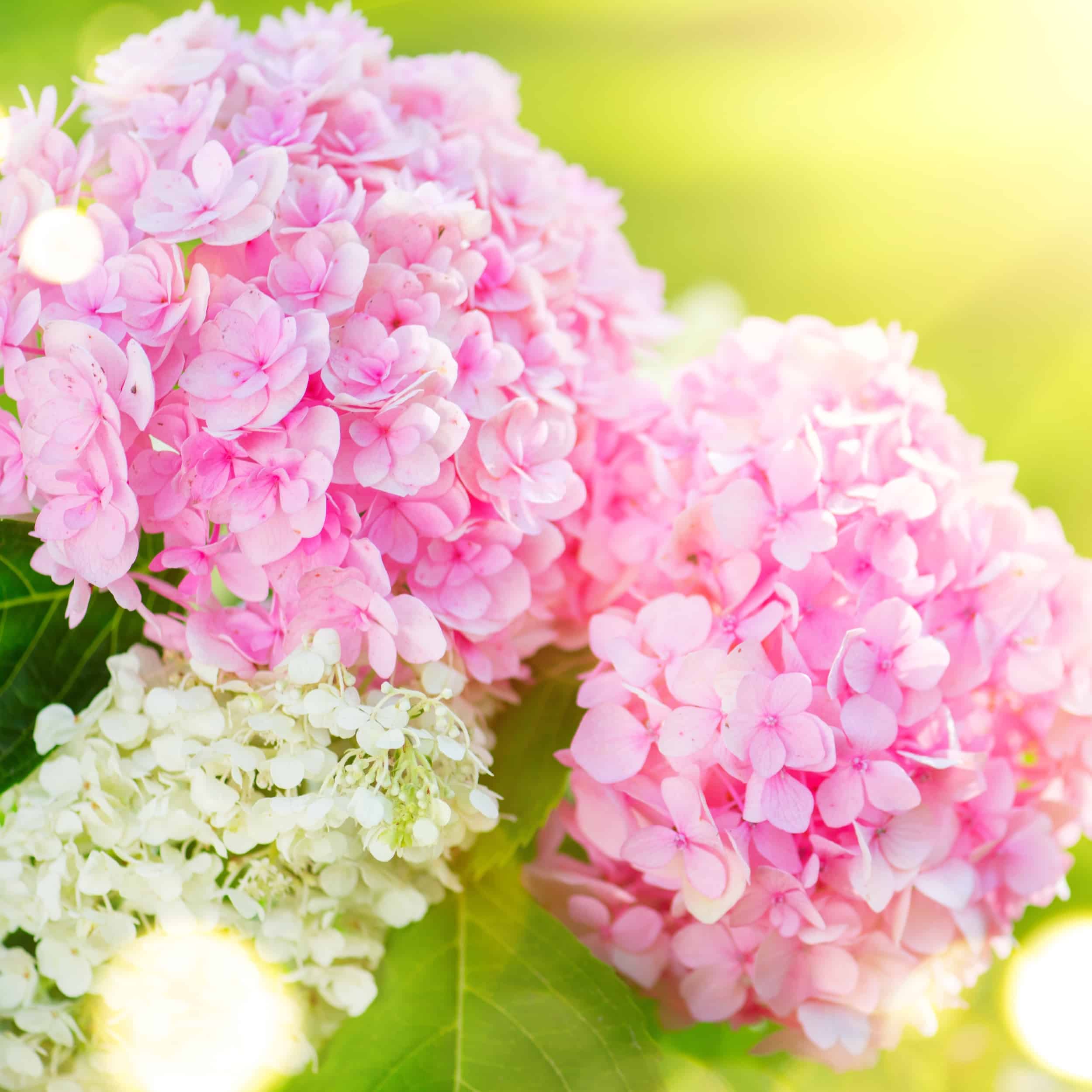
- A cluster of pink hydrangeas in a florist's display.
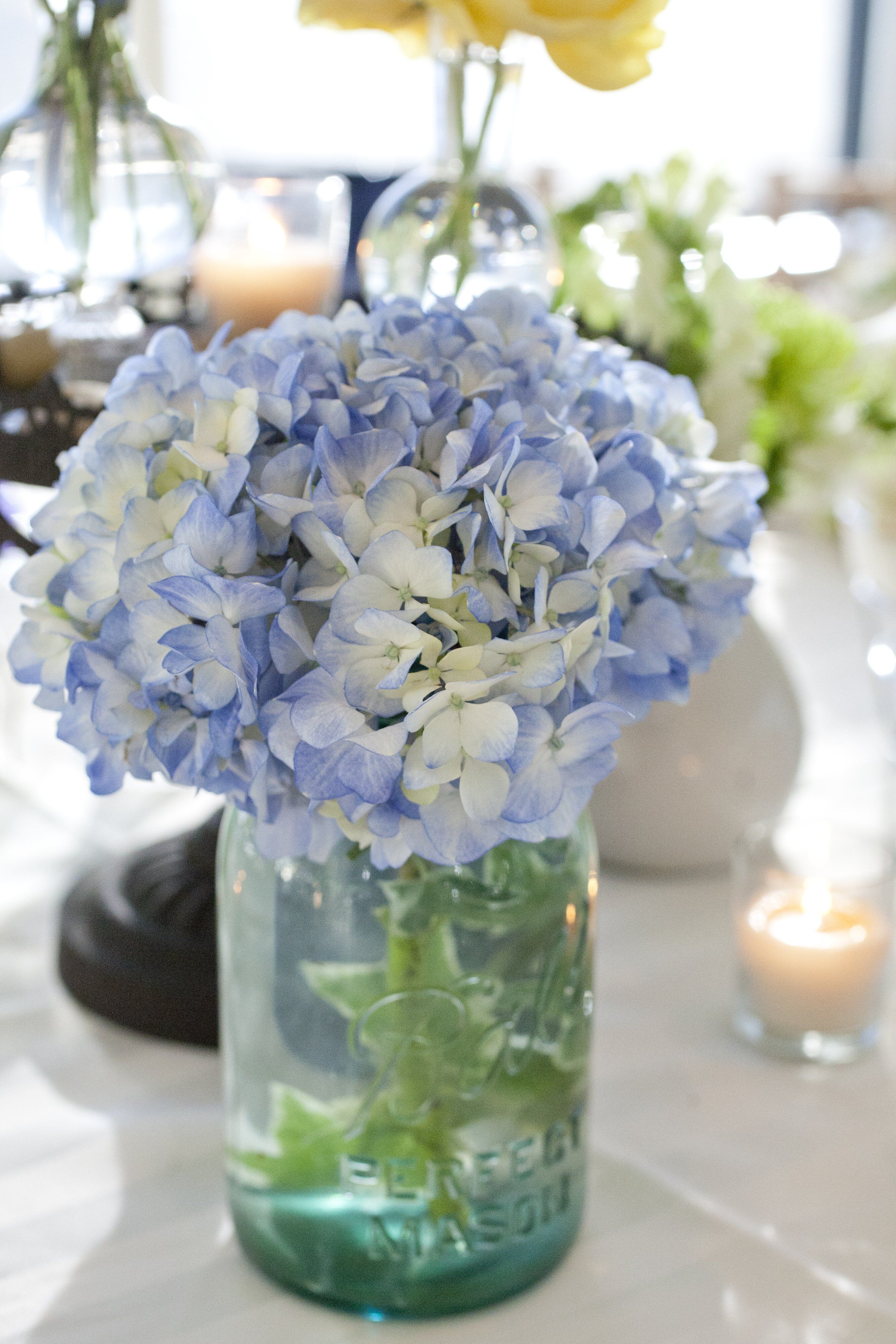
- A blue hydrangea in a mason jar with a sprig of lavender.
- A wedding bouquet of hydrangeas in shades of pink, blue, and white.
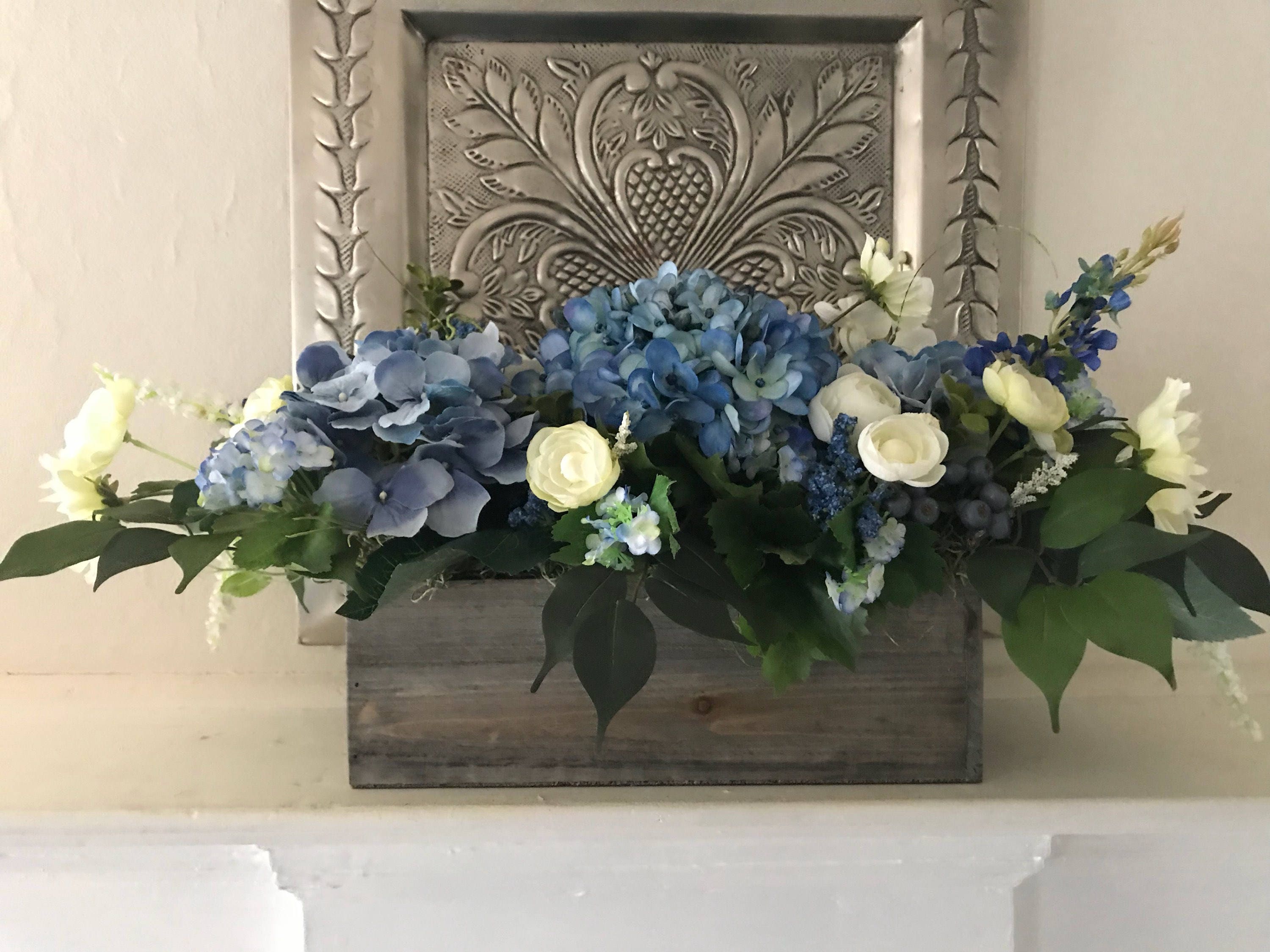
- A hydrangea arrangement in a wooden box with a variety of flowers.


Post a Comment for "Hydrangeas: The Ultimate Guide To Choosing Caring For And Arranging"