Grow Bigger Sweeter Carrots With These Companion Plants
Grow Bigger Sweeter Carrots with These Companion Plants
Carrots are a delicious and nutritious root vegetable that can be grown in most gardens. But did you know that you can grow bigger, sweeter carrots by planting them with certain companion plants?
Companion planting is the practice of planting different types of plants together in order to benefit each other. Some companion plants attract beneficial insects, while others help to repel pests. Some improve the flavor of the plants they are grown with, while others help to improve the soil quality.
When it comes to carrots, there are a number of companion plants that can help you to grow bigger, sweeter carrots. Here are a few of the best:
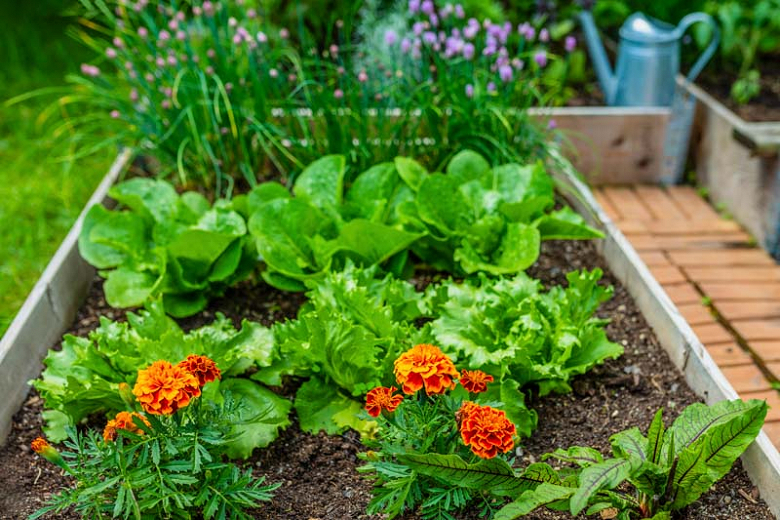
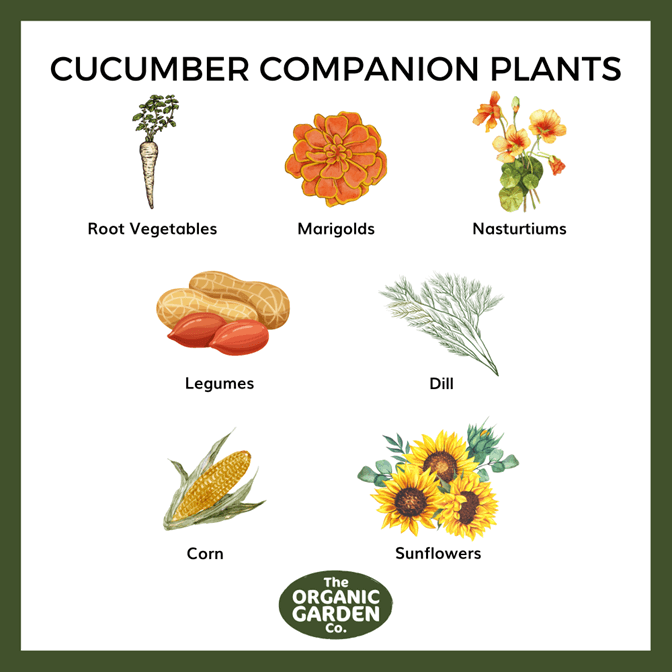
- Marigolds: Marigolds are a great companion plant for carrots because they help to repel carrot flies. Carrot flies are a common pest that can damage carrots, so planting marigolds nearby will help to keep them away.

- Onions: Onions are another great companion plant for carrots because they help to improve the flavor of the carrots. Onions also release sulfur compounds into the soil, which can help to deter pests.

- Lettuce: Lettuce is a good companion plant for carrots because it helps to shade the soil, which can help to prevent the carrots from becoming bitter. Lettuce also doesn't compete with carrots for nutrients, so they can be grown together without having to worry about one plant outgrowing the other.
- Beans: Beans are a good companion plant for carrots because they help to fix nitrogen in the soil. Nitrogen is an essential nutrient for carrots, so planting beans nearby will help to give your carrots a boost.
- Nasturtiums: Nasturtiums are a good companion plant for carrots because they help to attract beneficial insects, such as ladybugs and hoverflies. These insects help to control pests, which can help to keep your carrots healthy.

In addition to these companion plants, there are a few other things you can do to help your carrots grow bigger and sweeter. First, make sure to plant your carrots in full sun. Carrots need at least 6 hours of sunlight per day in order to reach their full potential.
Second, choose a well-drained soil. Carrots don't like to sit in wet soil, so make sure the soil you plant them in drains well. You can improve drainage by adding compost or sand to the soil.
Finally, water your carrots regularly. Carrots need about 1 inch of water per week. Water deeply and less often, rather than shallowly and more often.
By following these tips, you can grow big, sweet carrots that will be a delicious addition to your garden.
Carrots are a delicious and nutritious root vegetable that is easy to grow. But did you know that there are certain plants that can help your carrots grow even better? These are known as companion plants, and they can provide a number of benefits to carrots, such as:
- Reducing pests and diseases. Some companion plants, such as marigolds and nasturtiums, have strong scents that can repel pests such as carrot flies and aphids. Others, such as onions and garlic, can help to suppress soil-borne diseases.
- Improving soil quality. Certain companion plants, such as legumes, can fix nitrogen in the soil, which can help to provide carrots with the nutrients they need to grow. Others, such as leafy greens, can help to suppress weeds and improve soil drainage.
- Attracting beneficial insects. Some companion plants, such as chamomile and dill, attract beneficial insects such as ladybugs and hoverflies. These insects can help to control pests that can damage carrots.
If you are looking to grow the best possible carrots, I encourage you to do some research on companion planting. There are a number of great resources available online, including Garden Wiki. This website provides a comprehensive list of companion plants for carrots, as well as information on the benefits of each plant.
FAQ of good companion plants for carrots
What are some good companion plants for carrots?
Some of the best companion plants for carrots include:
- Marigolds: Marigolds have a strong scent that helps to repel pests, such as carrot flies. They also attract beneficial insects, such as ladybugs, which help to control pests.
- Onions: Onions and other members of the allium family also have a strong scent that helps to repel pests. They also help to improve the flavor of carrots.
- Legumes: Legumes, such as beans and peas, fix nitrogen in the soil, which can benefit carrots. They also help to shade the soil, which can help to prevent carrot root fly from laying eggs.
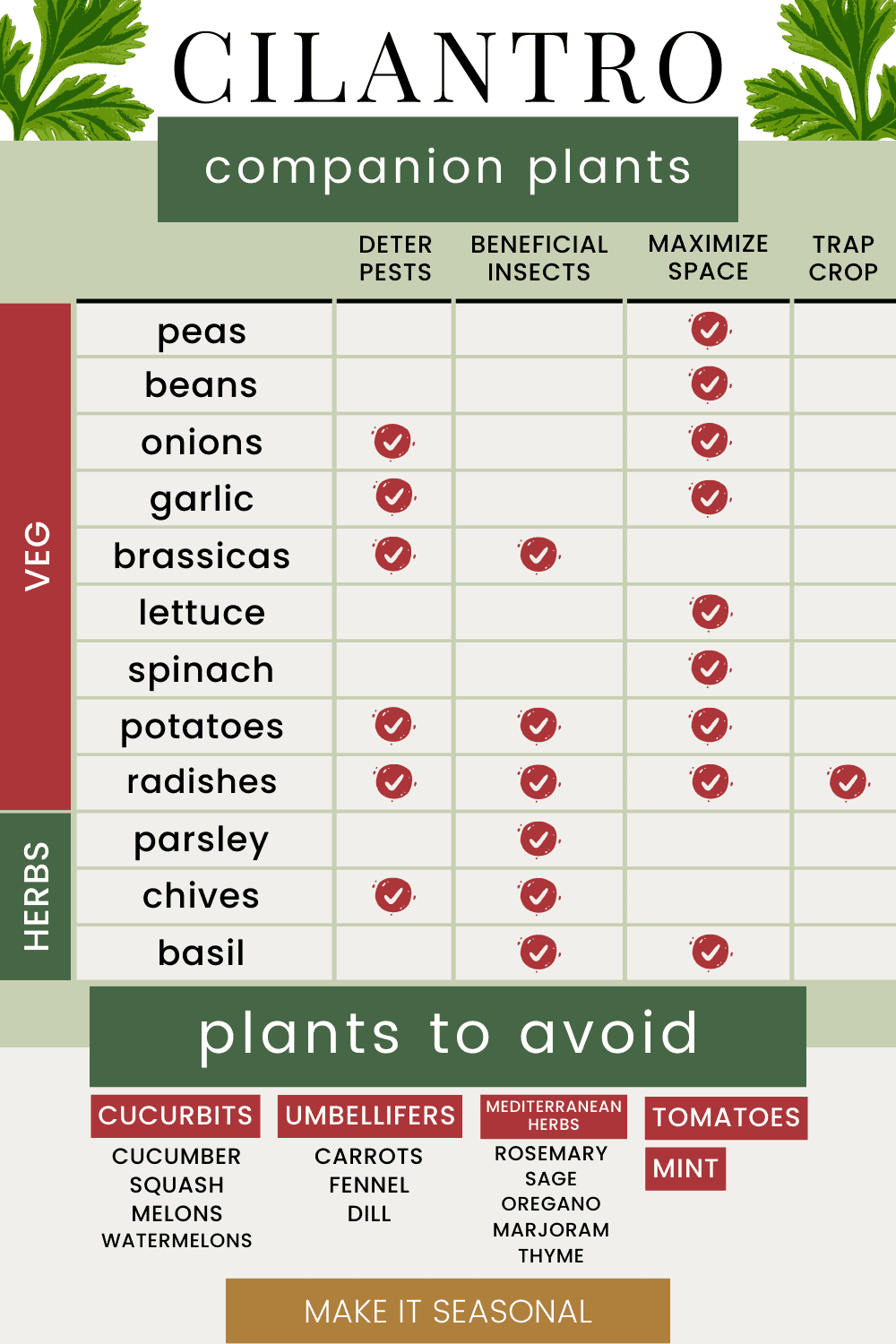
- Cilantro: Cilantro has a strong scent that helps to repel pests, such as aphids and spider mites. It also helps to improve the flavor of carrots.
- Lettuce: Lettuce helps to suppress weeds and shade the soil, which can help to prevent carrot root fly from laying eggs. It also helps to improve the flavor of carrots.
What are some bad companion plants for carrots?
Some plants that should not be planted near carrots include:
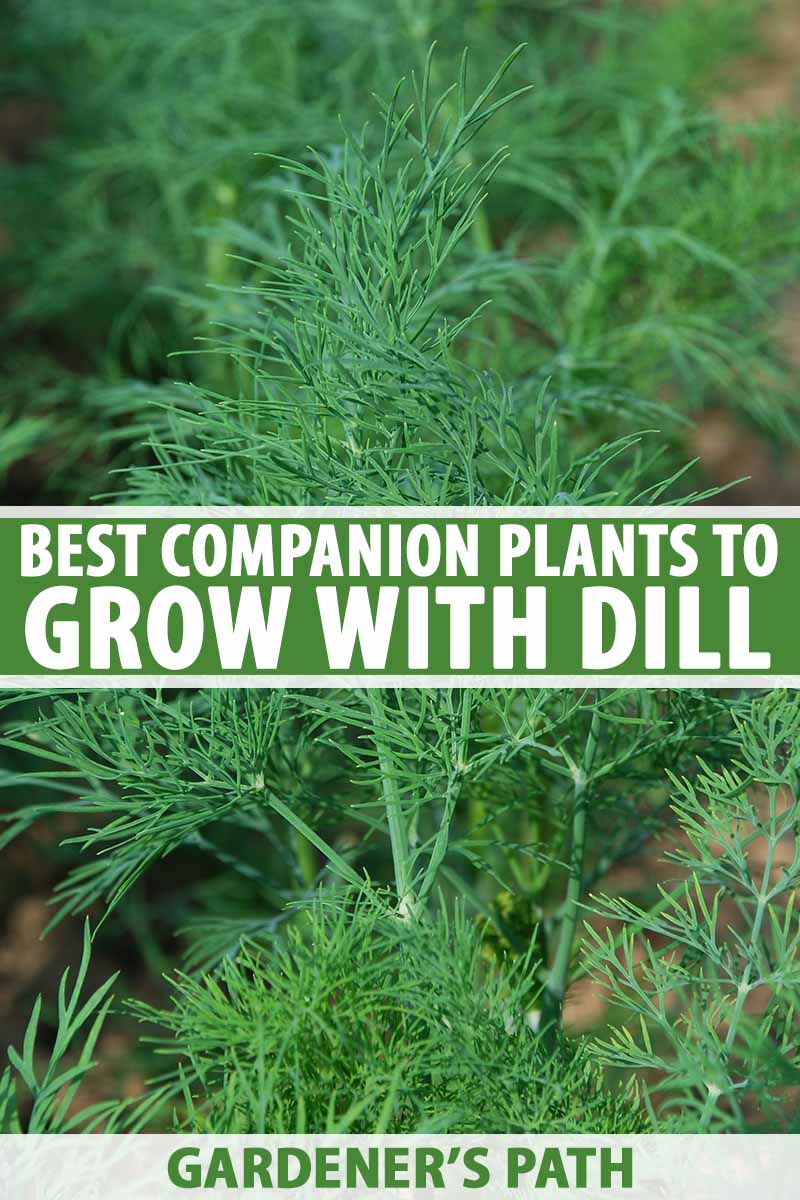
- Dill: Dill is a member of the carrot family, and planting it near carrots can lead to cross-pollination. This can reduce the yield of carrots and make them less flavorful.
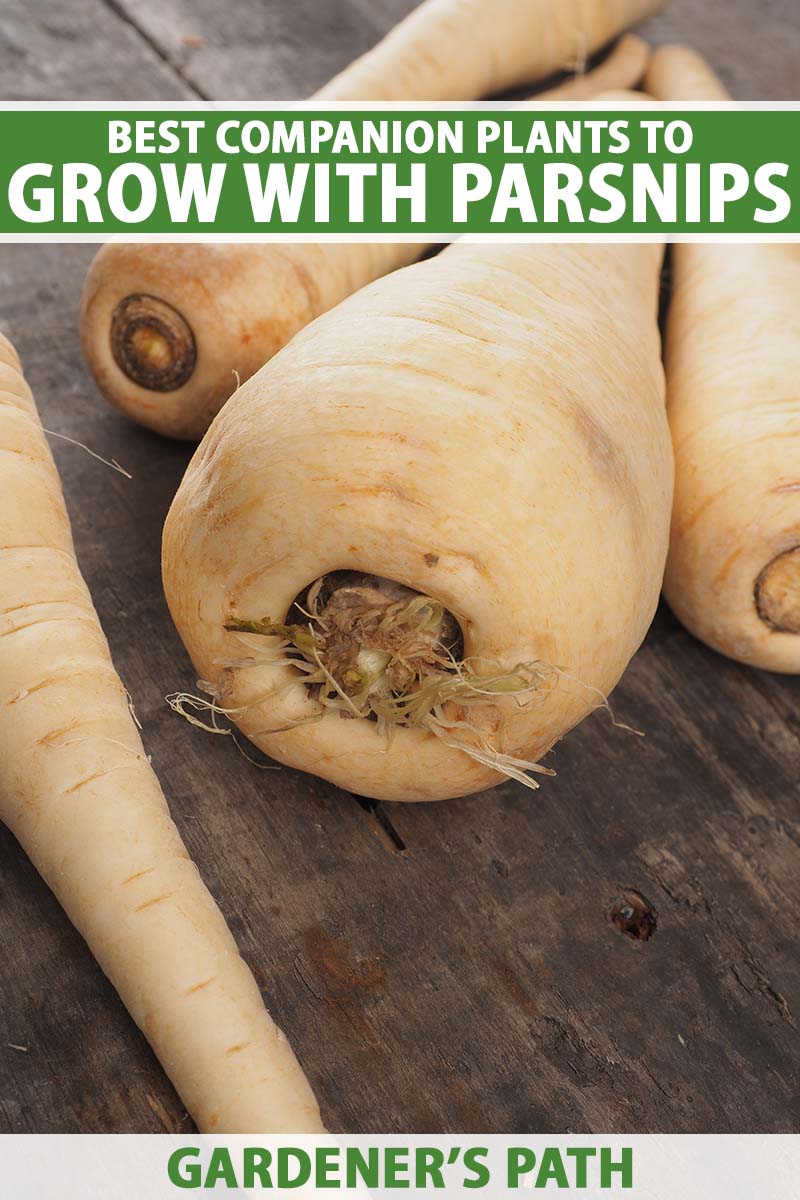
- Parsnips: Parsnips are also a root vegetable, and planting them near carrots can lead to competition for space and nutrients.
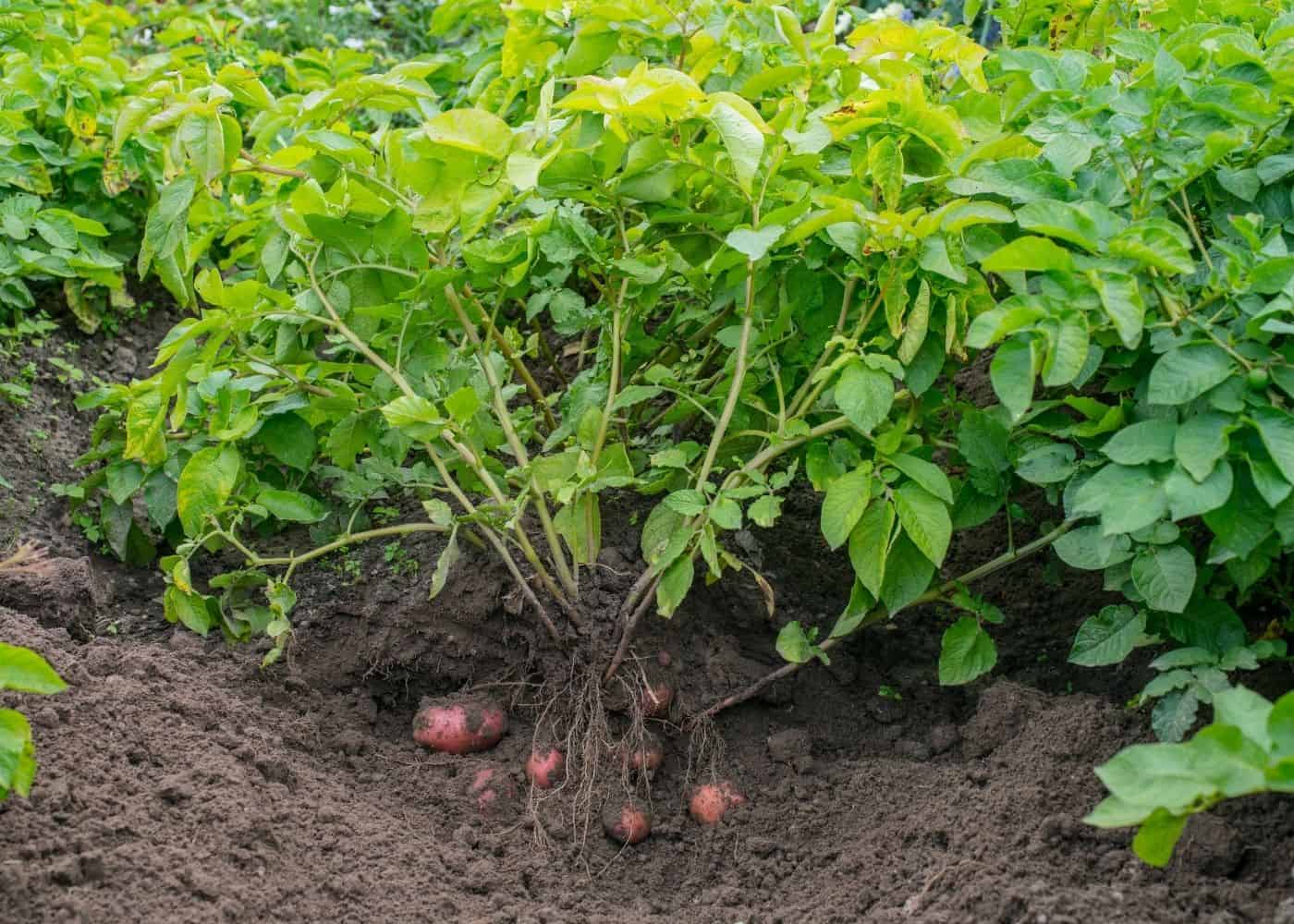
- Potatoes: Potatoes are susceptible to a number of diseases that can also affect carrots. Planting them near carrots can increase the risk of these diseases.
What are the benefits of companion planting with carrots?
There are a number of benefits to companion planting with carrots, including:
- Improved growth and yield: Companion plants can help to improve the growth and yield of carrots by providing them with nutrients, shade, and protection from pests.
- Reduced pest and disease pressure: Companion plants can help to reduce pest and disease pressure by attracting beneficial insects, deterring pests, and suppressing weeds.
- Improved flavor: Companion plants can help to improve the flavor of carrots by adding their own unique flavors to the soil.
- Increased biodiversity: Companion planting can help to increase biodiversity in the garden by providing a habitat for a variety of beneficial insects and animals.
How far apart should carrots be planted?
Carrots should be planted about 2 inches apart. This will give them enough space to grow and develop properly.
Image of good companion plants for carrots
- Peas: Peas help to improve the nitrogen levels in the soil, which is beneficial for carrots. They also help to shade the soil, which can help to prevent carrot root fly from laying eggs.

- Lettuce: Lettuce helps to suppress weeds and attract beneficial insects, both of which are beneficial for carrots. It also helps to prevent carrot rust.
- Onions: Onions help to repel pests, such as carrot root fly and aphids. They also help to improve the flavor of carrots.
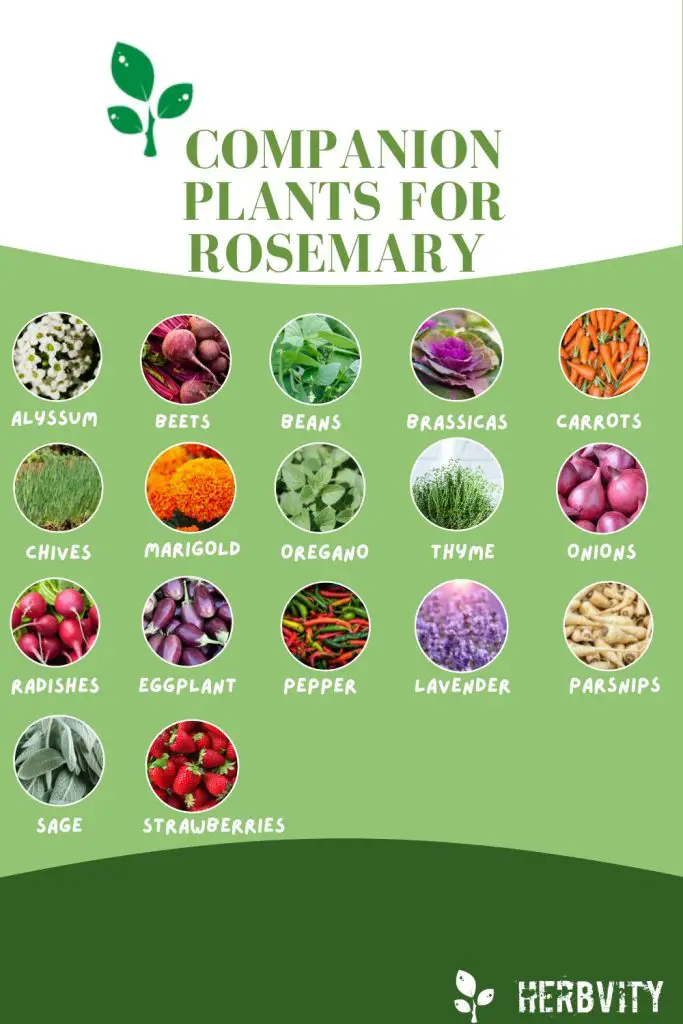
- Rosemary: Rosemary helps to repel pests, such as carrot root fly and cabbage loopers. It also helps to improve the flavor of carrots.
- Tomatoes: Tomatoes help to deter pests, such as carrot rust flies and aphids. They also help to improve the flavor of carrots.

Post a Comment for "Grow Bigger Sweeter Carrots With These Companion Plants"